
There are moments in every entrepreneur’s journey when an opportunity appears long before anyone else can see it.
Sometimes it is a new technology. Sometimes it is a shift in consumer behavior. And sometimes it is an entirely new market waiting for someone willing to take the first step.
For me, COURTX (before it was called that) began with one of those moments. It wasn’t about building another sports facility. It wasn’t even about padel or pickleball. It was about recognizing that the way people wanted to play, socialize, work, and connect was changing, and that Canada was ready for a completely different kind of destination.
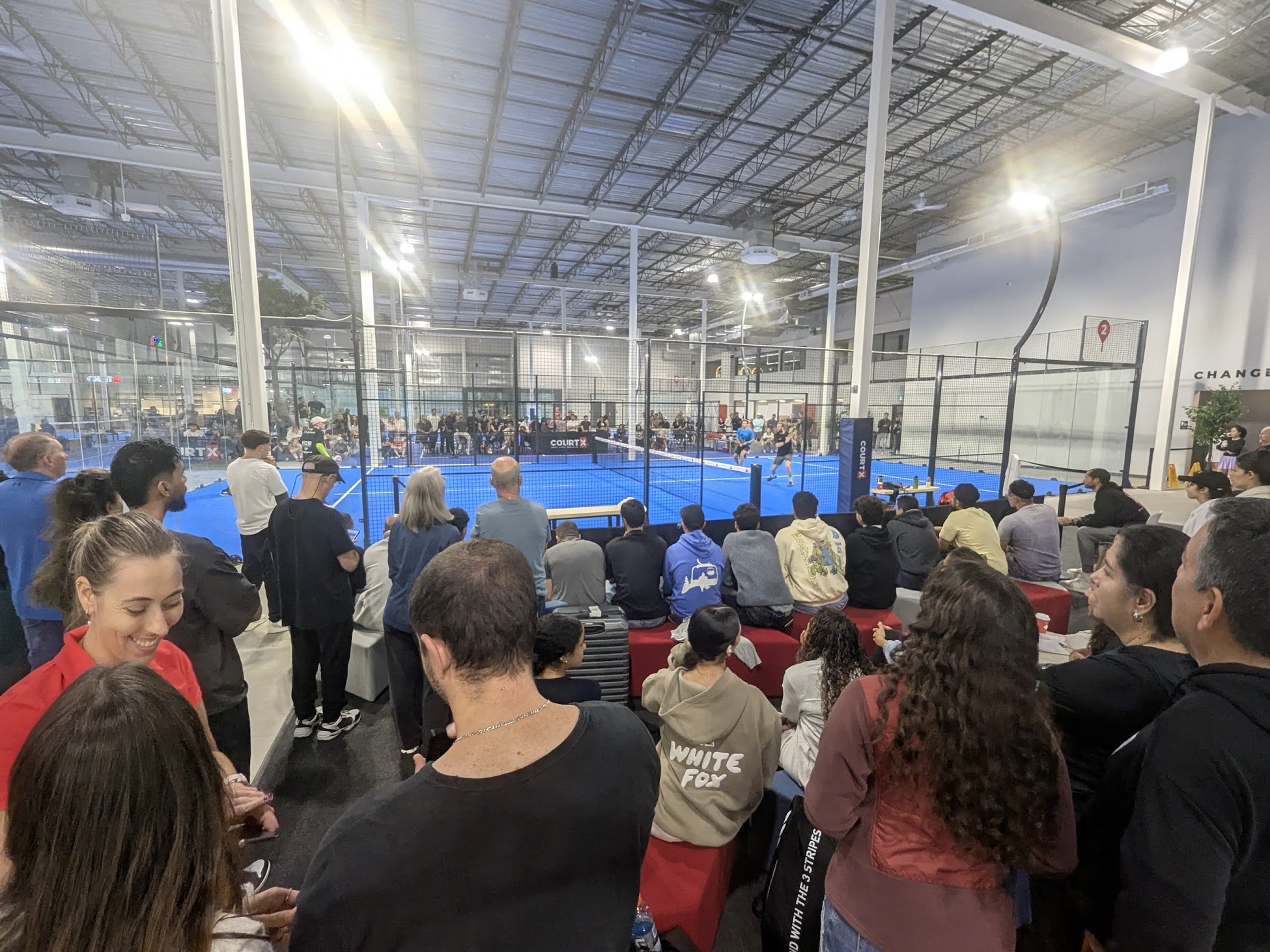
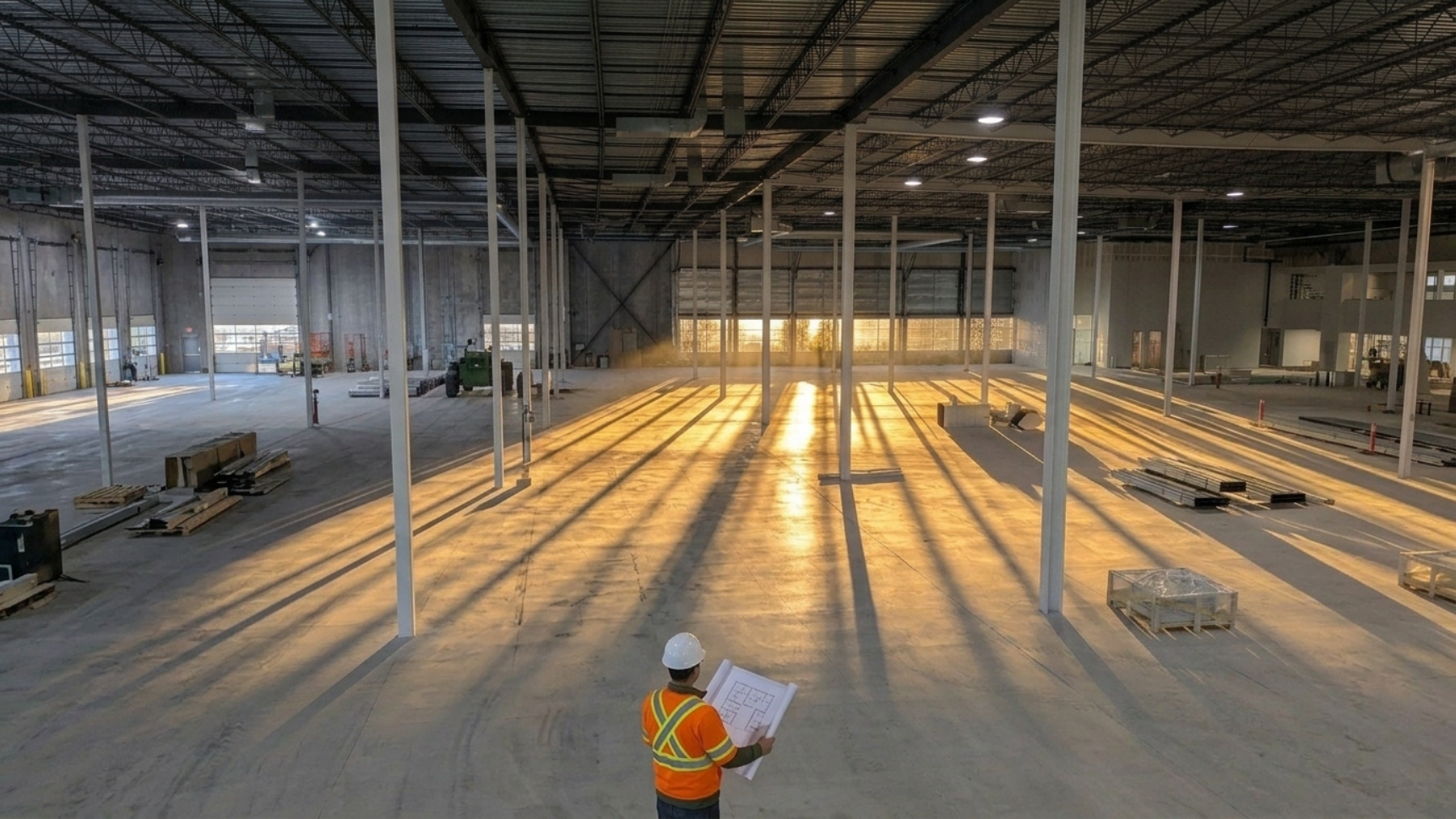
Looking back today, people see a world-class facility, thriving courts, and an established brand. What they don’t see are the hundreds of decisions, countless setbacks, and years of persistence that transformed an empty industrial warehouse into one of the largest indoor combined padel and pickleball clubs in the world.
Throughout my career, I’ve rarely been interested in building businesses that simply improve on what already exists. What has always fascinated me is identifying markets that are about to change and building for where they are going, not where they are today.
That philosophy guided much of my career, from enterprise technology and fintech to mobility platforms and artificial intelligence. It also shaped how I approached COURTX.
Around the world, padel was becoming one of the fastest-growing sports. Countries across Europe and the Middle East were investing heavily in new clubs, participation was accelerating every year, and entirely new business models were emerging around racquet sports. At the same time, pickleball was experiencing explosive growth across North America, with demand increasing faster than quality indoor facilities could be built.
While most people looked at these as two separate sports, I saw something much larger. I believed they could complement one another and together, they could create a destination that attracted families, competitive athletes, first-time players, corporate groups, and entire communities under one roof.
Instead of building another sports club, why not build a modern recreational destination designed around experience rather than simply court rentals?
That vision became the foundation of everything that followed.
Having a vision is one thing. Knowing whether the market shares that vision is something entirely different. Long before we leased a building or raised capital, I wanted to answer one simple question:
Would people actually want what we were planning to build?
Rather than relying solely on market reports or industry forecasts, I decided to test the idea in the simplest and most cost-effective way possible. I launched PickleballClub.ca
At the time, the long-term vision already included both padel and pickleball. However, I deliberately chose to lead with pickleball. While padel was growing rapidly around the world, it was still relatively unknown in Canada. Pickleball, on the other hand, was already generating significant attention and had a much broader level of public awareness. My objective wasn’t to limit the vision, it was to remove unnecessary barriers to validating demand.
Even the name was intentional. I chose PickleballClub.ca because it immediately communicated exactly what visitors could expect. There was no need to educate people about a new brand or explain an unfamiliar sport. If someone in the Greater Toronto Area was searching for a pickleball club, I wanted them to find us naturally. By focusing on the problem people were already trying to solve rather than promoting a new company, we could test real market demand without spending heavily on advertising or brand awareness. I also wanted to rank high on google search results without spending money at this stage and ultimately it worked out the website was the first result whenever you searched for pickleball within the targeted area
The website itself was intentionally simple. It wasn’t designed to sell memberships because there was no facility yet. Its purpose was to measure interest. Visitors could learn about the vision and join a waiting list to receive updates as the project progressed.
The response exceeded every expectation. Within a relatively short period, thousands of people had joined the waiting list. Without a building, without courts, and without a single game being played, we had already built a community of people eager for what we were planning to create. not only that but I already built a good investor list to start with.
That waiting list became far more than a marketing asset that I used to build later on what was need to launch courtx.
It became validation. It demonstrated to investors, landlords, partners, and ultimately to ourselves that the demand wasn’t theoretical – it was real.
One of the biggest lessons for any founder is that you don’t always need expensive market research to validate an idea. Sometimes the most valuable insights come from building the smallest possible version of your vision, putting it in front of real customers, and allowing their actions not their opinions to guide your next decision.
Looking back, launching PickleballClub.ca may have been one of the smallest investments I made throughout the journey, but it delivered one of the greatest returns. It gave me the confidence that I wasn’t simply building a facility.
From the beginning, I was convinced that courts alone would never be enough. People don’t remember buildings because they have good flooring or bright lighting. They remember how those places made them feel. I wanted COURTX to become somewhere people would choose to spend an entire afternoon or evening, even if they weren’t playing.
That meant thinking far beyond sport.
It meant comfortable social spaces where players could stay after their matches instead of immediately heading home. It meant premium hospitality instead of vending machines. It meant coworking spaces where entrepreneurs could work during the day before stepping onto the court in the evening. It meant retail, events, coaching, wellness, and community all working together instead of existing as separate businesses.
The more I worked on developing the vision, the more obvious it became that I wasn’t designing a sports facility.
I was designing an ecosystem. Every decision would eventually be measured against one simple question:
Does this make this club a destination people genuinely want to return to?
As a founder, you'll spend years building your company. Spend just as much time choosing the people who will build it with you. Skills can be hired, capital can be raised, but trust and loyalty are earned and when the journey becomes difficult, they're the only currencies that truly matter.
Every startup begins with a series of decisions that shape its future, and one of the most important is choosing who to build it with.
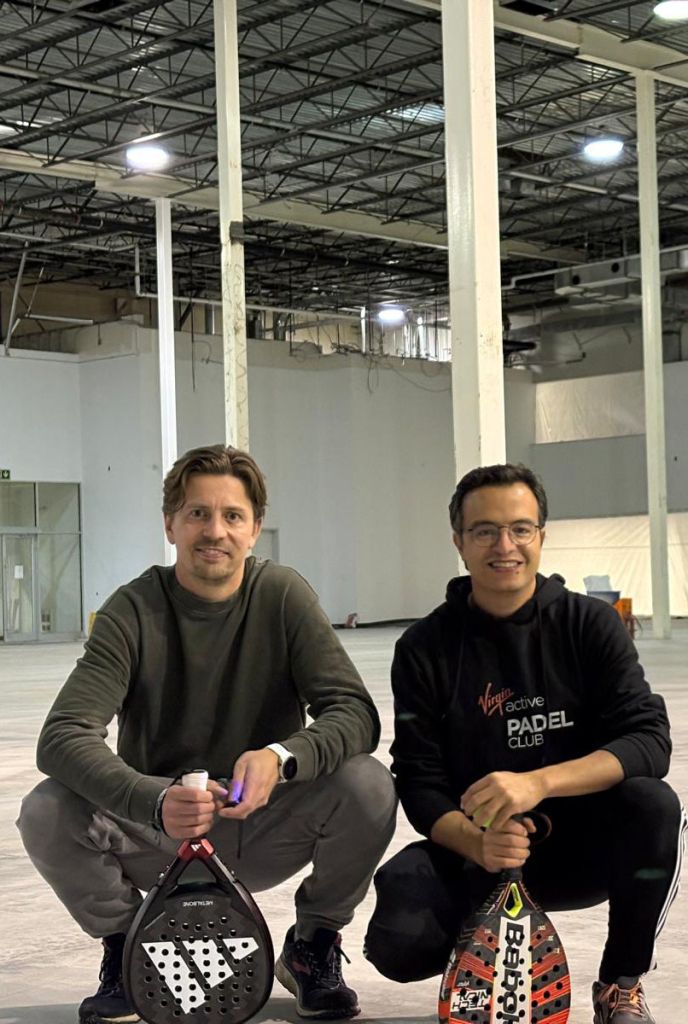
Unlike many partnerships that grow out of long-standing friendships or previous business relationships, this one started quite differently. I met PK while I was raising capital for my vision of building a world-class indoor padel and pickleball destination in Canada. At the same time, he was pursuing his own ambition of establishing a padel club in the Canadian market.
As we continued meeting, it became clear that although we came from different backgrounds, we shared a similar belief in the future of padel and the opportunity that existed in Canada. We spent hours discussing the industry, exploring different business models, and challenging each other’s ideas. The more we talked, the more I felt that combining our efforts would give us a stronger chance of turning an ambitious vision into reality.
I ultimately invited PK to join me as a partner, and together we established RECORT to pursue that vision. Like every startup, there were no guarantees of success. There was no operating history, no proven model to follow, and no certainty that the market would embrace what we were building. What we did have was a shared conviction that Canada was ready for something different, and a willingness to take on the challenge of creating it.
As the years have passed, one lesson has become increasingly clear to me: choosing a business partner is one of the most consequential decisions a founder will ever make. Skills, experience, and shared ambition are important, but they are only the starting point. The qualities that truly determine the strength of a partnership are trust, integrity, loyalty, and a shared set of values especially when the journey becomes difficult.
Every partnership will face moments of pressure. There will be disagreements, unexpected setbacks, financial challenges, and decisions where there is no obvious right answer. Those moments reveal the true character of a partnership. Success is rarely determined by how well people work together when everything is going according to plan; it is determined by how they support one another when it isn’t.
One of the most difficult lessons for any founder is recognizing that not every partnership is meant to last forever. As companies evolve, people evolve too. Priorities change, circumstances change, and sometimes the alignment that brought people together at the beginning naturally shifts over time. Knowing when to invest in strengthening a partnership is an important leadership skill. Equally important is having the wisdom to recognize when two people are no longer moving toward the same destination.
Looking back, I don’t see partnership as simply sharing ownership of a company. I see it as sharing responsibility for a vision. Choose people who celebrate your successes without ego, who stand beside you during setbacks, and whose values remain consistent whether the company is thriving or facing adversity. Those qualities are far more valuable than any experience or résumé, and they often determine whether a business succeeds not just financially, but as a lasting and rewarding journey for everyone involved.
At the time, it felt like exactly what every founder hopes to find—the combination of capital, strategic experience, and partners who shared the ambition of building something exceptional. Looking back, however, one of the biggest lessons I took away from the experience is that raising capital is about far more than securing funding.
Every founder reaches a point where belief alone is no longer enough. A vision can take you through the first months of planning. Passion can help you overcome uncertainty. But eventually, ambitious projects require capital, and raising that capital becomes a journey of its own.
This Project was no different.
Building a facility of this scale required millions of dollars in investment. It wasn’t simply about leasing a building and installing courts. There were architectural plans, engineering, construction, specialized equipment, tenant improvements, technology, furnishings, and the countless expenses that come with transforming an empty industrial building into a world-class destination.
Like many first-time founders raising institutional capital, I quickly realized that securing investment wasn’t just about presenting financial projections. It was about convincing people to believe in a future that didn’t yet exist.
Over the course of many months, I met with investors from different backgrounds, each bringing their own perspective on risk, opportunity, and growth. Some appreciated the vision but weren’t ready for the scale of the project. Others understood the market but weren’t prepared to invest in an emerging sport. Every conversation refined both the business and my understanding of what investors were truly looking for.
Eventually, that journey led us to someone who connected with the vision. He believed in what we were trying to build and saw the long-term opportunity for premium racquet sports in Canada. More importantly, through his network we got introduced to an investment group from South Africa with deep experience in padel industry. Their knowledge, resources, and international perspective gave the project a level of credibility that would have been difficult to achieve on our own.
At the time, it felt like exactly what every founder hopes to find, the combination of capital, strategic experience, and partners who shared the ambition of building something exceptional. Looking back, however, one of the biggest lessons I took away from the experience is that raising capital is about far more than securing funding.
Money can accelerate a vision, but it also changes the dynamics of a company. New shareholders bring new priorities, different investment horizons, and their own perspectives on how a business should be built. Those differences are natural, and they don’t necessarily become apparent during fundraising conversations. They often emerge much later, as the company begins to grow and difficult decisions need to be made.
If I could offer one piece of advice to founders embarking on their own fundraising journey, it would be this:
choose your investors with the same care that they choose you.
Capital can help you build a company, but alignment in values, governance, and long-term vision is what determines whether that partnership will endure.
For COURTX, the investment made it possible to transform an ambitious idea into reality. It opened doors that would have been difficult to open otherwise and helped bring an extraordinary project to life. At the same time, it reinforced one of the most valuable lessons of my entrepreneurial career: the best investment isn’t always the one with the biggest cheque—it’s the one with the strongest long-term alignment.
After months of searching, refining the concept, securing investment, and earning the confidence of our partners, we finally reached a milestone that every entrepreneur dreams about, we signed the lease.
For many people, signing a lease marks the beginning of a new business. For me, it represented something much bigger. It was the moment when an idea that had existed only in presentations, financial models, and architectural sketches became a real commitment. There was no turning back.
Standing inside the empty warehouse, it was difficult to imagine what the space would eventually become. It was little more than concrete floors, steel columns, exposed ceilings, and thousands of square feet of empty space. Yet I could already see the finished vision. I could picture the courts filled with players, families gathering in the café after a match, tournaments bringing together athletes from across the country, and a community forming around sports that were only beginning to gain momentum in Canada.
That ability to imagine the finished product before it exists is something I have come to appreciate throughout my entrepreneurial journey. Every company begins the same way—with the founder seeing something that no one else can yet see.
Now came the difficult part: making everyone else see it too.
Construction projects are often viewed as a sequence of drawings, permits, and contractors. In reality, they are exercises in solving hundreds of interconnected problems every single day and COURTX was no exception.
What appeared to be an empty office space quickly became one of the most complex projects I had ever led. Every decision influenced another. Architectural design affected engineering. Engineering influenced construction. Construction impacted scheduling. Scheduling affected financing. Budget decisions had operational consequences months later. Nothing happened in isolation.
One of the earliest priorities was assembling a team capable of bringing the vision to life. Architects, engineers, consultants, contractors, specialized court manufacturers, suppliers, technology partners, and municipal authorities all became part of the journey. Each brought valuable expertise, but aligning everyone around a single vision required constant communication and decision-making.
Many people underestimate how much coordination is required on projects of this scale. At any given moment, dozens of parallel workstreams were moving simultaneously. While structural work progressed on-site, equipment was being sourced internationally. Mechanical and electrical systems were being finalized while interior layouts continued to evolve. Branding, technology infrastructure, membership systems, furniture, retail operations, and hospitality planning were advancing alongside construction.
Every week introduced new challenges. Some were technical. Others were financial. but the biggest were partners alignment
From the day we signed the lease in fall 2024, I set a goal that many people believed was unrealistic: I wanted our club to open before summer of 2025. It sounded simple. In reality, it became a personal challenge for me.
This was the first construction project that I had ever led. Almost everyone I spoke with told me to expect significant delays and believed the schedule was simply too aggressive. Others reminded me that commercial construction projects rarely finish on time, especially when they involve zoning approvals, municipal permits, international suppliers, and a complete transformation of an existing office building.
The more I heard that it couldn’t be done, the more determined I became to prove that it could.
For me, deadlines were never arbitrary dates on a project plan. Every week of delay affected investors, contractors, suppliers, future employees, and members waiting for the doors to open. Time wasn’t just a scheduling metric, it was one of the project’s most valuable assets.
That mindset was tested almost immediately. Throughout the project, not everyone shared my confidence in the timeline.
my investors often challenged the schedule I had committed to. and particlarly one of them told me that my confidence actually scared him. From his perspective, the number of moving parts, the regulatory hurdles, the construction complexity, and the ambitious deadlines made the level of certainty I projected seem unrealistic. Looking back, I understood his concern. A project of this magnitude should make people cautious.
But there is an important difference between confidence and optimism. Optimism hopes everything will work out. Confidence comes from being willing to do whatever it takes to make it work.
One of our earliest challenges involved zoning. Before construction could truly move forward, we had to secure approval for a completely different use of the building. That process required detailed submissions, including traffic and parking studies, coordination with municipal departments, and responding to numerous questions before the application could move forward. It was a critical milestone, and one that had the potential to derail the entire schedule if not managed proactively.
When zoning was finally approved, we immediately submitted our building permit application, believing we had cleared one of the biggest hurdles. Instead, another appeared. The Region advised that our proposed use would trigger Development Charges amounting to millions of dollars—costs that had never been part of the financial plan. Accepting that outcome wasn’t an option.
working tirelessly with the Town, the Region, consultants, and legal advisors to understand the legislation, present our case, and demonstrate why those charges should not apply in the way they had initially been assessed.
Those discussions required persistence, preparation, and constant communication. While that process unfolded, the clock continued ticking. Waiting for every issue to be fully resolved before moving forward would have guaranteed delays.
Instead, we looked for every opportunity to safely advance work in parallel.
While consultants finalized drawings, demolition was already underway. While permit reviews continued, planning for procurement, scheduling, and long-lead equipment never stopped. We coordinated closely with the general contractor to ensure that as soon as one milestone was cleared, the next phase could begin immediately.
In many cases, we were making decisions before every drawing was one hundred percent complete. That required careful coordination, constant communication, and a willingness to solve problems in real time rather than allowing them to become reasons to stop.
The same philosophy extended to every contractor and supplier involved in the project. Expectations were clear, schedules were monitored continuously, and progress meetings focused not only on what had been completed, but on identifying tomorrow’s obstacles before they became next month’s delays.
Some of the most memorable moments came during the middle of a Canadian winter. Padel courts arrived from Spain during one of the coldest periods of the year, with temperatures approaching -25°C. Delaying delivery wasn’t an option. Together with the contractor, I was personally on-site helping unload containers and coordinate the logistics of moving every component safely into the building. Looking back, it’s one of those moments that perfectly captures the reality of entrepreneurship. Founders don’t simply manage projects from meeting rooms, they do whatever the business needs that day.
There were also countless situations where conventional thinking suggested we should wait. One example involved preparing the courts with silica sand. Standard construction sequencing would have delayed that work until the general contractor considered the building substantially complete. But every additional delay pushed opening day further away. Rather than accepting “that’s how it’s always done,” we worked collaboratively with the contractor to develop a solution that protected both the courts and the construction process while allowing critical activities to continue in parallel.
Time and again, the project presented obstacles that could easily have become excuses. Instead, we treated each one as another problem waiting to be solved.
Looking back, I’m proud that we delivered the project on schedule. I’m equally proud that we secured building permit approval in approximately one month, something many people familiar with the process believed simply wasn’t possible. Neither achievement happened because we were lucky. They happened because we refused to accept unnecessary delays as inevitable.
One of the greatest lessons I took away from building COURTX is that successful execution isn’t about avoiding obstacles. Every ambitious project will encounter them. The difference lies in how quickly you adapt, how relentlessly you communicate, and whether you see each challenge as a reason to stop or an opportunity to find another path forward.
If there’s one assumption people make about large construction projects, it’s that they will almost always exceed budget.
In many ways, cost overruns have become accepted as part of the process. Unexpected conditions arise, material prices fluctuate, designs evolve, and additional work is often justified as “necessary.” Before long, a project that started within budget can find itself millions of dollars over its original projections.
From the very beginning, I was determined that COURTX would be different.
I have always believed that raising capital creates a responsibility that extends far beyond simply spending it. Every dollar invested represents someone’s trust in your vision, and as a founder, protecting that capital is just as important as raising it. My responsibility wasn’t only to build an exceptional facility, it was to ensure we delivered it as efficiently and responsibly as possible.
That philosophy influenced every major decision throughout the project.
I challenged assumptions instead of accepting them. I reviewed every significant expense, negotiated with suppliers, compared alternatives, and constantly asked whether additional costs genuinely created long-term value or simply increased the budget. Wherever possible, we pursued value engineering not by compromising quality, but by finding smarter ways to achieve the same outcome.
There were countless moments where the easier decision would have been to approve additional spending and move on. Instead, we took the time to understand the root of every change request, questioned whether it was truly necessary, and looked for practical solutions that protected both the project and the investors’ capital.
Managing costs wasn’t about saying “no.” It was about making disciplined decisions. Sometimes that meant investing more in areas that would improve the member experience for years to come. Other times, it meant having the confidence to reject ideas that added cost without creating meaningful value. Knowing the difference became one of the most important leadership responsibilities throughout the build.
Looking back, one of the achievements I’m most proud of isn’t simply that we completed the project, it is that we were able to deliver a facility of this scale while keeping the project 15% under budget. In an industry where overruns are often expected, disciplined planning, continuous oversight, and a relentless focus on value allowed us to protect the investment while still delivering on the original vision.
That experience reinforced a lesson I continue to carry into every company I build: capital is a tool, not a safety net. Great founders don’t measure success by how much they raise; they measure it by how responsibly they deploy it. Every dollar saved through better decisions is a dollar that can be reinvested into growing the business, strengthening the company, and creating greater long-term value.
One of the biggest opportunities to control costs came from a decision that many people initially questioned. As the project progressed, it became clear that furnishing and outfitting a facility of this size would represent a significant portion of the overall budget. Purchasing everything locally would have been the easiest option, but it was also one of the most expensive. I believed there had to be a better way.
Rather than relying on local distributors, I made the decision to source much of the furniture, fixtures, and interior fit-out directly from manufacturers in China.
At first, the idea made many people uncomfortable. I wasn’t travelling to factories. I wasn’t walking through showrooms. Much of the process would be managed remotely through video calls, product samples, engineering drawings, quality inspections, and countless late-night conversations across multiple time zones. It required building relationships with suppliers I had never met in person and coordinating production, logistics, shipping, customs, and delivery for thousands of individual items.
It was undoubtedly one of the highest-risk decisions we made during the project. But I didn’t see it as a gamble. I saw it as a problem that could be managed through preparation, due diligence, and constant communication.
Weeks were spent evaluating manufacturers, comparing specifications, negotiating pricing, reviewing samples, verifying production quality, and coordinating shipments. Every item from furniture and lighting to decorative finishes and custom fixtureswas carefully selected with the same attention to detail we applied throughout the rest of the project.
The result exceeded my expectations. Not only did we achieve the design and quality we envisioned, but we also realized substantial savings compared to purchasing through traditional local channels. Those savings didn’t simply reduce the construction budget, they allowed us to reinvest capital into other areas of the project that directly improved the member experience.
That experience reinforced another lesson that has shaped the way I build businesses: geography should never limit opportunity. In today’s connected world, founders have access to global suppliers, manufacturers, and expertise. The challenge isn’t where your partners are located; it’s whether you have the discipline, systems, and attention to detail to manage those relationships effectively.
Looking back, sourcing internationally without ever setting foot inside a factory wasn’t the risky part. The real risk would have been accepting the conventional approach simply because it felt more comfortable. Entrepreneurship often rewards those who are willing to question assumptions, do the work others avoid, and make informed decisions that create lasting value.
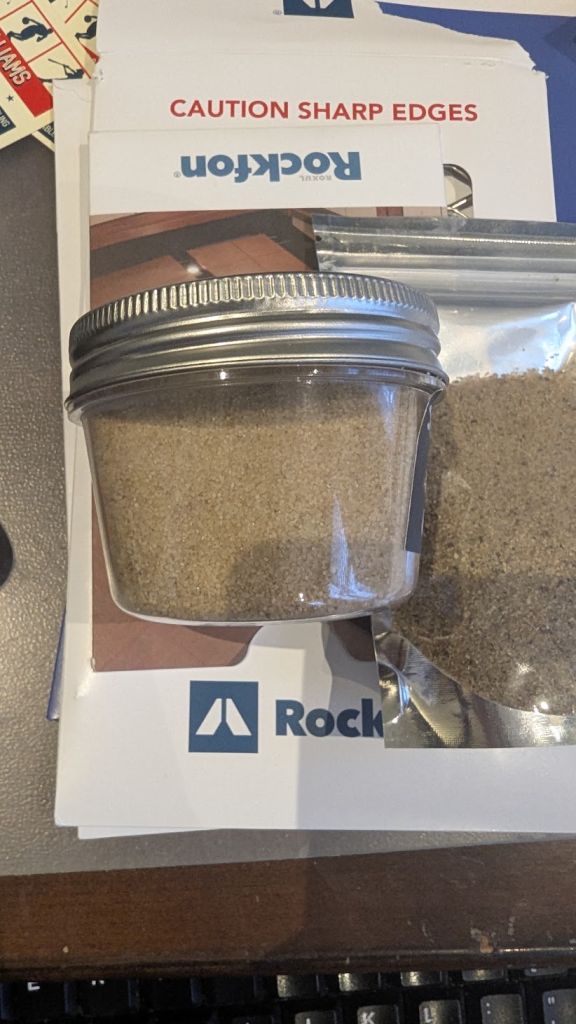
Long before the first member walked through the doors, there was another project taking place behind the scenes one that very few people ever see.
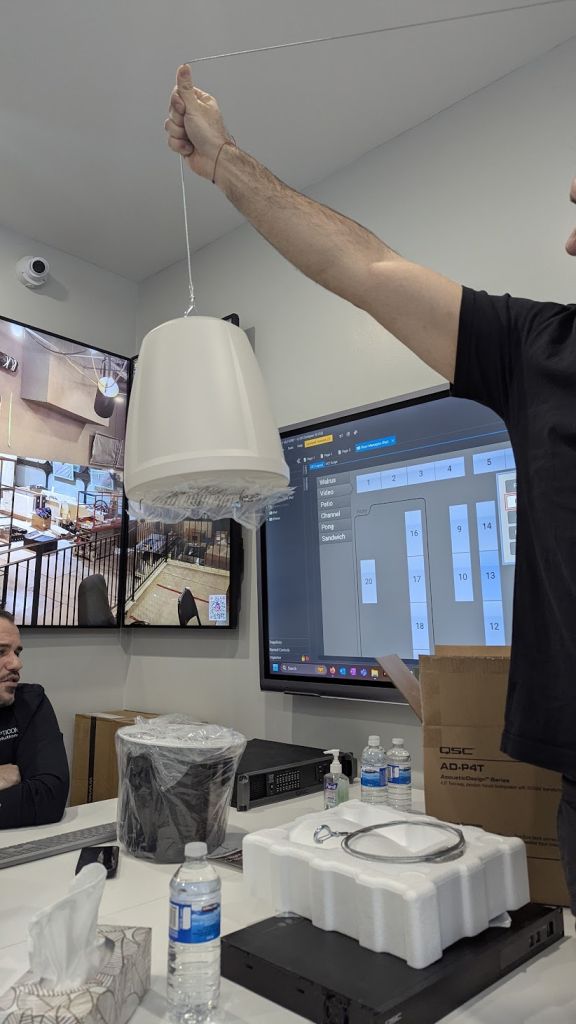
While construction was transforming an empty warehouse into a world-class sports facility, we were simultaneously building an entirely new business from the ground up. A building alone doesn’t create a great customer experience. Behind every successful operation is an ecosystem of systems, processes, technology, suppliers, government registrations, and operational procedures working together seamlessly.
Unlike joining an established company, there was no existing playbook to follow. Every system had to be designed, selected, implemented, and tested from scratch.
That meant making hundreds of decisions that most visitors will never notice but that are essential to running a modern business.
We evaluated and implemented membership and booking platforms that would become the digital front door for every customer. We established payment processing, point-of-sale systems, access control, networking infrastructure, Wi-Fi, security systems, audio and sound distribution, digital displays, and the technology required to operate a premium facility at scale.
Beyond technology, there was an equally important operational foundation to build. Import accounts had to be established to bring equipment and furnishings into Canada. Government registrations, customs processes, tax accounts, vendor relationships, utilities, telecommunications, insurance, and countless regulatory requirements all had to be completed before opening day. None of these tasks generate headlines, yet every one of them is critical to operating a business successfully.
At the same time, we were developing the operational procedures that would support the business long after construction ended. From member onboarding and court scheduling to retail operations, inventory management, café workflows, supplier relationships, maintenance programs, and internal reporting, every process had to be carefully designed before serving a single customer.
What made the challenge unique was that all of these workstreams were happening simultaneously. While contractors were pouring concrete and installing courts, other teams were configuring software, testing networks, sourcing equipment, coordinating imports, negotiating service agreements, and preparing for launch. Every milestone depended on another, requiring constant coordination across dozens of parallel activities.
This experience reinforced something I have learned throughout my career: building a company is rarely about one major achievement. It is about successfully completing thousands of small, interconnected tasks, each of which contributes to the final result. Customers only experience the finished product, but founders understand that behind every seamless experience is an enormous amount of invisible work.
When COURTX finally opened its doors, members saw beautiful courts, premium amenities, and a vibrant atmosphere. What they didn’t see were the months spent building the operational foundation that made those experiences possible. In many ways, the systems behind the walls were just as important as the walls themselves.
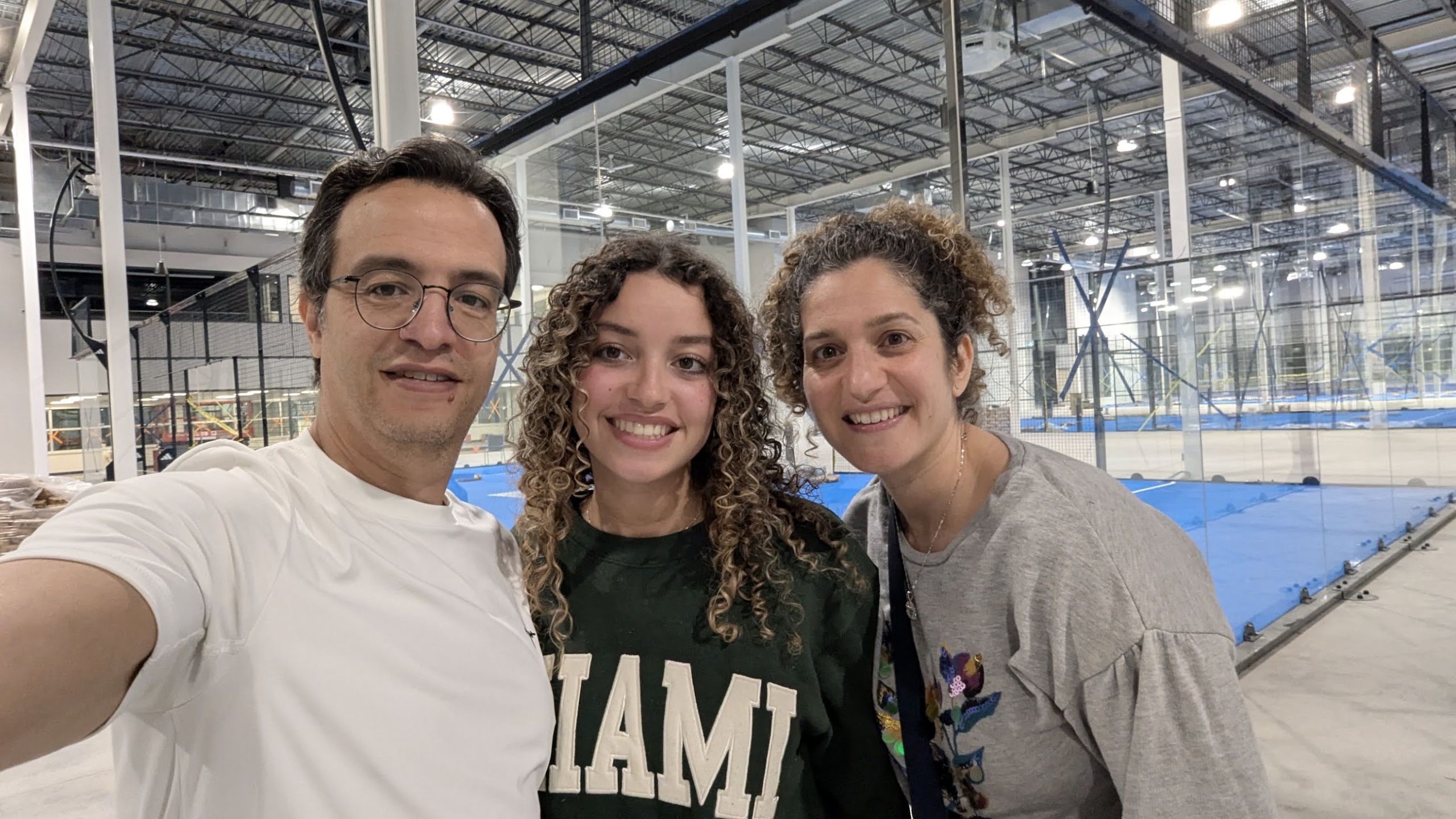
Every startup demands sacrifice, but the greatest sacrifice is often made by the family standing quietly behind the founder. Never take that support for granted, it may be the strongest foundation your company is ever built upon.
Building a company is never a nine-to-five commitment. It demands long days, late nights, weekends, and countless moments where the business comes before personal plans. Founders often become consumed by solving problems, making decisions, and carrying responsibilities that don’t end when they leave the office. While the founder is building the company, the people closest to them are often making sacrifices of their own.
Throughout the journey of building COURTX, I was fortunate to have that support at home.
My wife stood beside me through the uncertainty, the pressure, and the countless hours the project demanded. She understood that entrepreneurship isn’t measured only by the visible milestones but also by the unseen commitment required to reach them. There were evenings that became late nights, weekends that turned into workdays, and family moments that had to compete with deadlines and decisions. Through it all, her encouragement, patience, and belief in the vision never wavered.
That experience taught me something I believe every founder should remember: choosing the right life partner may be one of the most important business decisions you’ll ever make. A successful startup is rarely built by one person alone. While one partner may stand in front of investors, contractors, or customers, the other often provides the stability, perspective, and emotional support that allows that journey to continue.
Entrepreneurship tests more than businesses, it tests relationships. During the hardest moments, when doubt begins to creep in and the pressure feels overwhelming, having someone who believes in you, reminds you why you started, and quietly carries part of that burden becomes invaluable.
Looking back, COURTX is a reflection of many people’s efforts, but none were more personal than the unwavering support I received from my family. Success is often measured by the companies we build, the projects we complete, or the milestones achieved. For me, one of the greatest blessings throughout this journey was knowing that no matter how difficult the day became, I always had someone at home who believed in me even on the days I questioned myself.
As I look back on the journey of building COURTX, people often ask me what I’m most proud of. Some expect the answer to be the size of the facility, the investment raised, or the fact that we built one of Canada’s largest indoor combined padel and pickleball clubs.
The truth is, those are simply outcomes.
What I’m most proud of is that an idea which once existed only in my imagination became a place where thousands of people could play, compete, connect, and build a community. Every challenge, setback, negotiation, and sleepless night became part of something much larger than a building.
But if there’s one lesson this journey taught me, it’s that constructing a facility was never the hardest part. The hardest part was building the company behind it.
People see the finished courts, the changerooms, the gym, the café and the atmosphere. What they rarely see are the thousands of decisions, the partners conflicts, the responsibilities, and invisible roles a founder must take on long before the first customer ever walks through the door.
That experience fundamentally changed how I think about entrepreneurship, leadership, and what it truly means to build a company from scratch.
In my next article, I’ll share one of the biggest lessons I took away from founding COURTX: why founders don’t just build companies but they build every department before there is a team to run it.
